
 Chatbot Interface
 Pay by Face
 Automated Blog Writer
 Annual Report Analysis
 Action Bot
 Private LLM for Lawyers
 Custom EVM
 Token & ICO Launch
 Bitcoin/Litecoin-Based
 Blockchain Raffle/Lottery
 Carbon Credit Management
 Stablecoin Development
 Metaverse with Native Token
 Crypto Payment Gateway
 Crypto Exchange Development
 WordPress Website Development
 Carbon Credit Exchange Platform
 Custom Mobile App Development
 Carbon Credit Registry
 Custom Website Development
 Case Studies
 Testimonials
 About Us
 Vision & Mission
 Insight Success
 Team
 Careers
Insights
Ideas, guides & field notes
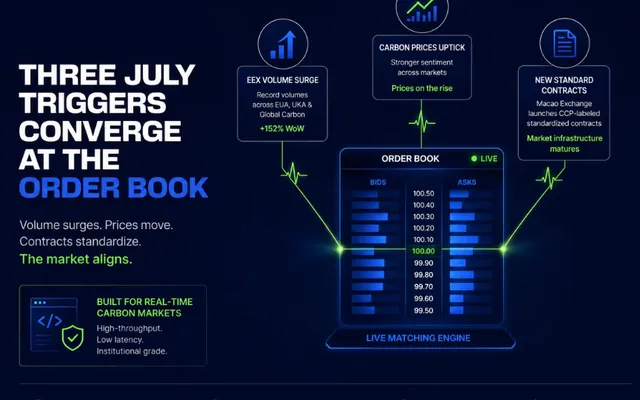
The July 2026 Wake-Up Call: Why Every Carbon Exchange Matching Engine Just Became a Compliance Problem
Learn how carbon exchange matching engine architecture handles CORSIA-driven volume surges, Article 6 registry sync, & credit pooling nicely.
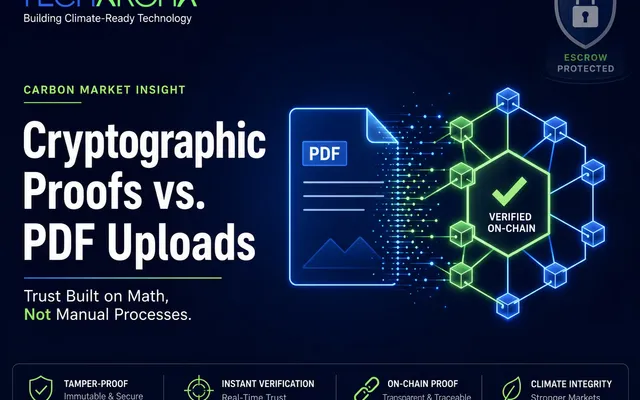
Cryptographic Proofs vs. PDF Uploads: Eliminating Letter of Authorization (LoA) Counterparty Risk in Compliance Trading
Learn how letter of authorization carbon credits get cryptographic checks instead of PDF uploads, stopping fraud, cutting settlement risk now
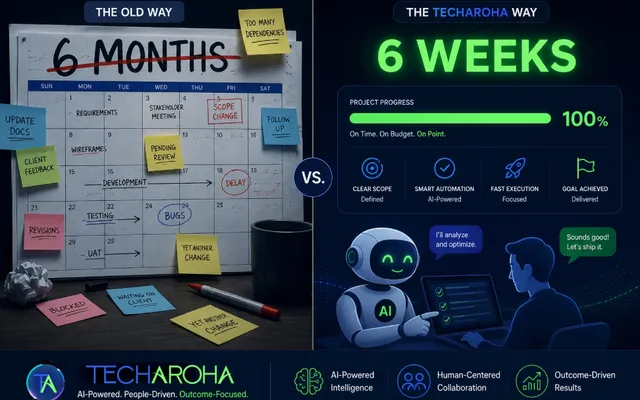
Spec-Driven Development: How to Turn a 6-Month MVP Into a 6-Week Launch
Discover how AI MVP development helped Techaroha ship a working product in 6 weeks instead of 6 months. See the real timeline breakdown.
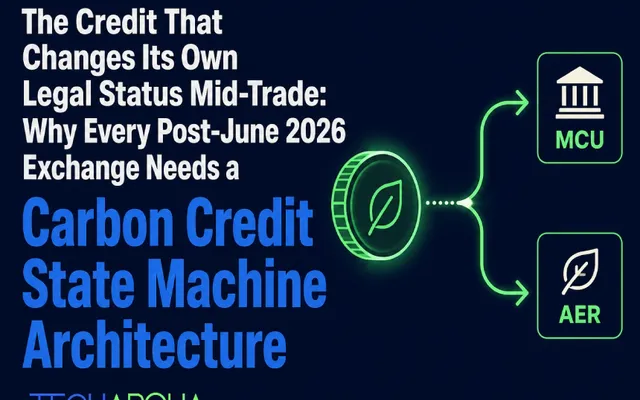
Architecting the Split: Managing Dynamic State Mutations Between Article 6.4 AERs and Mitigation Contribution Units (MCUs)
Carbon credit state machine architecture stops platforms wrongly clearing MCUs as AERs after authorization. The design pattern engineers need now.
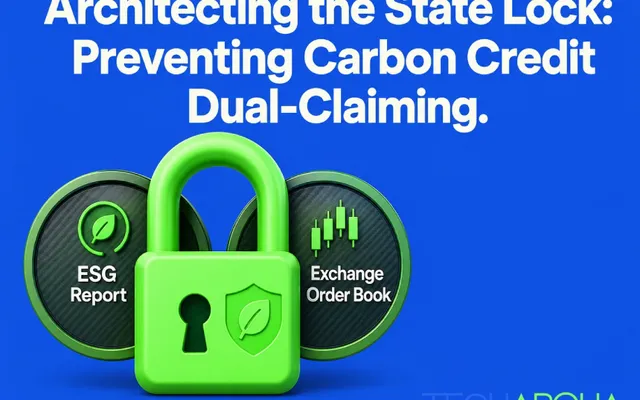
Architecting the "State Lock": How to Kill the Carbon Credit Dual-Claiming Risk Before It Kills Your Exchange License
A carbon credit dual-claiming risk grows when ESG teams and exchange order books both claim the same tonne. See the state-lock fix architects use

The Countdown Nobody Told Your Engineering Team About: Why Carbon Registry Middleware Has 27 Days Left to Survive
Carbon registry middleware built on polling breaks on July 27. Learn the event-driven architecture exchanges need for Verra's new registry today.
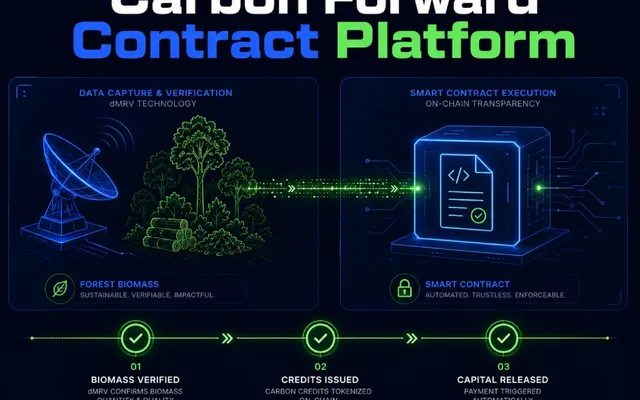
Spot Liquidity Is Drying Up: How to Build a Carbon Forward Contract Platform for the Forward-First Market
As spot liquidity tightens in 2026, learn how to build a carbon forward contract platform with milestone-based escrow and dMRV delivery triggers.
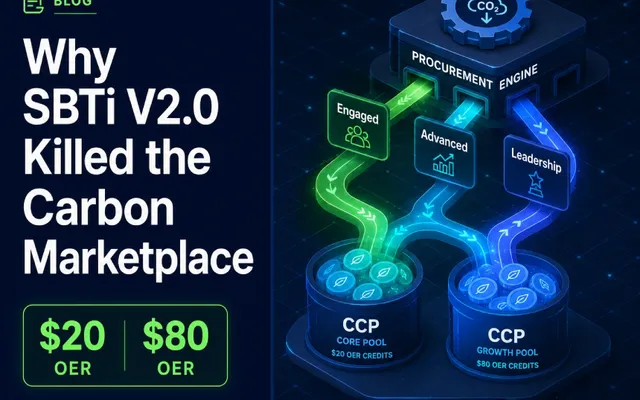
Why SBTi V2.0 Killed the Carbon Marketplace: The Engineering Case for an Emissions Responsibility Engine
SBTi V2.0 forces carbon procurement portal development. Build OER tier engines that link $20/$80 floors to audit-ready Scope 1–3 accounting now.
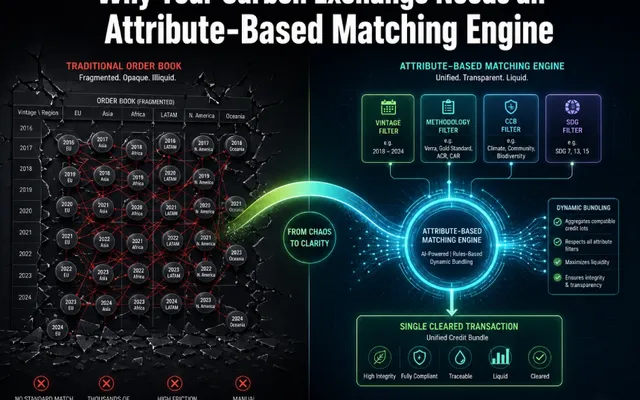
Why Your Carbon Exchange Needs an Attribute-Based Matching Engine (And Why a CLOB Will Bleed You Dry)
A carbon credit trading platform matching engine using attribute indexing clears fragmented credit lots by vintage, methodology, SDG ratings.

The Authorization Wall: How Custom Carbon Exchanges Must Architect for Article 6 Corresponding Adjustments
Article 6 carbon exchange compliance is the hardest build challenge most ESG platform operators now face. Here's the architecture that solves it.
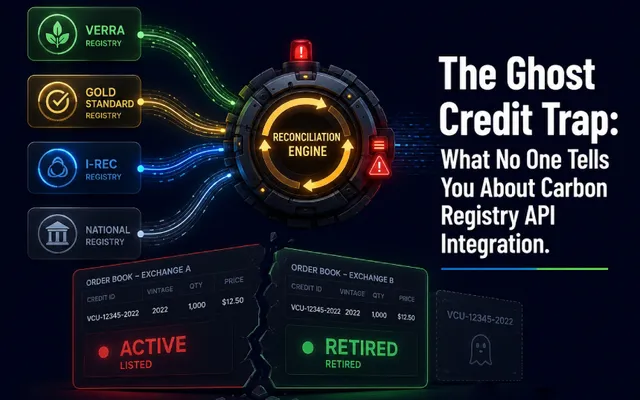
The Ghost Credit Trap: What No One Tells You About Carbon Registry API Integration
Carbon registry API integration causes ghost credits when it fails. Fix API rate limits, schema mismatches before your trading platform ships.
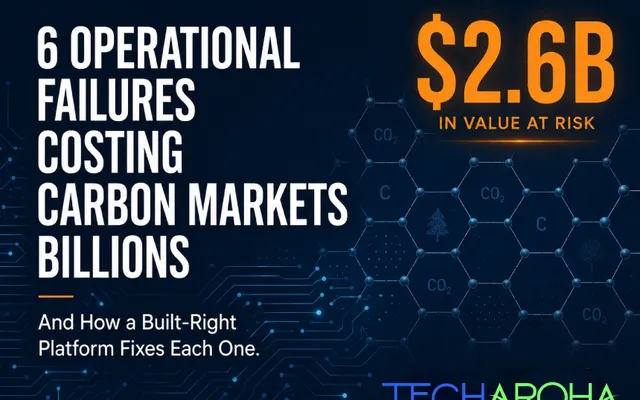
The 6 Operational Failures Costing Carbon Markets Billions And How a Built-Right Platform Fixes Each One
Carbon markets lose billions to back-office failures. See how any carbon credit management platform eliminates 6 critical operational bottlenecks